

Why Commercial Gutter Installation Matters in Arkansas
Commercial homes in Arkansas rely on practical gutter systems to safeguard their structures from the region's unique weather conditions. The state experiences a mix of heavy rainfall, temperature fluctuations, and occasional storm events that can all impact the integrity of a building. Without proper gutter installation, water can seep into foundations, cause erosion, or lead to mold and structural damage. This is why commercial gutter installation is not just a convenience—it's a necessity for maintaining the long-term health of buildings in Arkansas. For trustworthy Gutter Installation in Arkansas in Arkansas, AGM Gutters delivers experienced advice and practical approaches.
Arkansas weather can be unpredictable, with sudden downpours and periods of extreme heat or cold. These conditions place a major burden on gutter installations, making it essential to select the right design and materials. Commercial properties, such as office buildings, shopping centers, and industrial facilities, require robust solutions that can handle high volumes of water and withstand the elements over time.
Proper gutter installation also plays a role in the overall aesthetics of a commercial property. Well-maintained gutters contribute to a professional appearance, which is especially important for businesses that rely on curb appeal to attract customers. Whether in Little Rock, Fayetteville, or any other city in Arkansas, the importance of reliable gutter systems cannot be overstated.
Common Gutter Types Used in Arkansas
In Arkansas, the choice of gutter type often depends on the specific needs of the commercial property and the local climate. Residential and commercial gutter systems differ in size, material, and design, with commercial applications typically requiring more durable and high-capacity options. Common gutter styles include K-style half-round, and box gutters, each offering unique benefits for different building structures.
The Arkansas climate, with its mix of heavy rainfall and temperature changes, influences the selection of gutter materials. Aluminum and metal are popular choices for commercial installations due to their strength and resistance to corrosion. Plastic gutters, while common in residential settings, are less frequently used in commercial applications because they may not hold up as well under extreme weather conditions.
Residential vs. commercial gutter systems also vary in terms of size and capacity. Commercial buildings often require larger gutters to handle the volume of water that accumulates on larger roof surfaces. This is especially true in cities like Springdale, where urban development has increased the need for efficient drainage solutions. Choosing the right gutter style ensures that water is directed away from the building's foundation, preventing long-term damage.
How Arkansas Weather Impacts Gutter Installation
The climate in Arkansas play a essential role in deciding the performance of gutter systems. The state's typical yearly precipitation, which can reach up to 50 inches in cities like Little Rock, necessitates gutters that can deal with large volumes of water without overflowing. Intense downpours, combined with frequent thunderstorms, means that commercial properties must have gutters that are both resilient and efficient.
Temperature shifts in Arkansas can also influence gutter effectiveness. Sudden falls in temperature can cause ice build-up, which can result in gutters to sag or even come loose from the building. This is particularly crucial for business sites in areas like Fayetteville, where springtime tempests bring both intense downpour and unpredictable climates. Proper installation techniques, such as using fortified hangers and confirming right gradient, support avoid these problems.
Storm conditions in Arkansas, including severe winds and hail, can also impact gutter systems. Commercial buildings in regions like the central part of the state, which experiences analogous weather patterns to Tulsa, Oklahoma, must be equipped for these challenges. Installing gutters with powerful fastening systems and using storm-proof materials can help shield against storm damage.
Prime Choices for Gutter Installation in Arkansas
Choosing the correct choices for corporate gutter installation in Arkansas is critical for ensuring extended performance. The state's climate, with its combination of heavy rainfall and heat fluctuations, requires choices that are both robust and resistant to corrosion. Aluminium, metal, and metal are within the maximum frequently employed choices, each giving special merits for various kinds of corporate real estate.
Aluminum gutters are a common option for industrial applications due to their lightweight properties and ability to oxidize. They are also fairly simple to install and maintain, leading to them a suitable choice for businesses seeking for affordable options. Steel gutters, on the other hand, provide greater durability and are suitable for locations with heavy water or regular tempests. Nevertheless, they may demand extra care to avoid corrosion if not properly treated. https://postheaven.net/hiphail66/professional-gutter-installation-in-arkansas-what-matters-most-and-key
Copper gutters are recognized for their resilience and visual appeal, leading to them a top selection for corporate buildings that prioritize both practicality and design. While they are costlier than aluminum or steel, they can survive for many years with minimal maintenance. This proves to be a wise investment for companies seeking enduring options.
Choosing the ideal material also relies on the exact needs of the business asset. For case, in locations with high rainfall, such as Little Rock, using substances that can handle significant volumes of water is critical. In difference, properties in regions with more extreme heat variations may benefit from materials that can tolerate both warmth and cold without bending or breaking.
Cost of Commercial Gutter Installation in Arkansas
The price of commercial gutter installation in Arkansas differs depending on several elements, including the scale of the property, the type of materials used, and the difficulty of the placement. On typical, businesses can plan to pay between $10 and $20 per running foot for professional installation, with combined prices spreading from a few multiple to multiple of thousands of dollars depending on the extent of the task.
Material expenses play a considerable function in the overall cost of commercial gutter placement. Aluminum and iron gutters generally to be more cost-effective, while brass and other luxury materials can greatly raise the price. Businesses should also take into account the prolonged care prices associated with varied components, as some alternatives may require greater repeated replacements or updates.
Setup costs can also vary based on the level of the job. Commercial properties with spacious covering areas or distinctive structural attributes may require more work and custom equipment, which can force up the expense. In cities like Fayetteville, where commercial growth is continuing, businesses may locate that regional professionals supply competitive charges for gutter placement services.
While the first capital in commercial gutter installation can be significant, the long-term gains often surpass the expenses. Properly installed gutters assist stop water damage, lower care costs, and prolong the existence of a building's structure. This results in it a valuable capital for any company operating in Arkansas.
Procedures Involved in Expert Gutter installation
Skilled commercial gutter installation in Arkansas involves a series of key actions to confirm that the system is both functional and long-lasting. The process typically starts with an assessment of the building's top and previous gutter setup to figure out the optimal method. This includes evaluating the building's slope, the area of the space to be guarded, and any possible issues that may arise during setup.
Once the assessment is done, the subsequent step is to calculate and cut the gutters to suit the building's details. This needs accuracy to ensure that the gutters are accurately placed and can deal with the projected fluid movement. In Arkansas, where heavy downpour is usual, it's essential that gutters are dimensioned correctly to stop overflow and potential injury to the building's base
After the gutters are cut and organized, they are mounted using a mix of holders, hangers, and fasteners. The installation procedure must be carried out carefully to ensure that the gutters are accurately angled for efficient water flow. In urban areas like Springdale, where business expansion is increasing rapidly, expert deployment is especially important to adhere to local building regulations and guarantee long-term functionality.
Finally, the gutters are examined to confirm that they are functioning accurately. This involves inspecting for leaks, verifying that fluid is moving accurately, and carrying out any necessary adjustments. A well-installed gutter system more than protects the property but also adds to its overall look and utility.
Arkansas Building Codes for Gutter Installation
Commercial gutter installation in Arkansas must comply with regional building codes and regulations to make sure protection and functionality. These codes are designed to safeguard both the building and the surrounding environment, and they commonly include particular needs for the size, material, and installation of gutters. Failure to follow these codes can result in penalties or the need for expensive rework.
Building codes in Arkansas vary by city, with some areas having stricter standards than others. For example, in Little Rock, commercial buildings must adhere to particular guidelines for gutter placement and drainage to prevent water from pooling near the foundation. Similarly, in Fayetteville, regional regulations may require gutters to be installed with certain types of fasteners or materials to withstand the region's weather conditions.
Compliance with building codes is particularly essential for commercial homes, as they often have larger roof areas and more complex drainage needs. In cities like Springdale, where urban development is increasing, businesses must ensure that their gutter systems meet all local requirements to avoid potential issues. This includes using approved materials, following proper installation techniques, and ensuring that the system is designed to handle the expected volume of water.
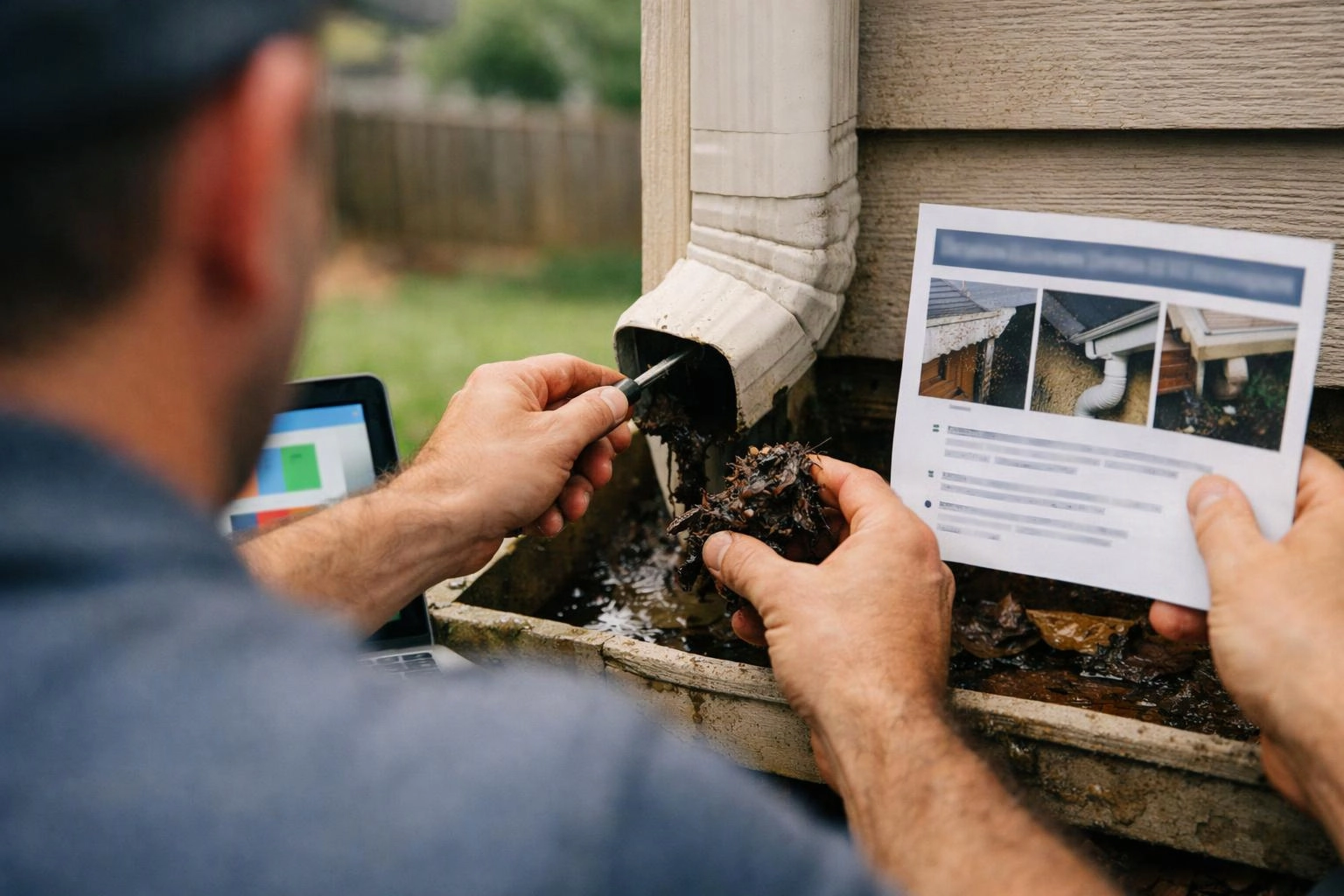
Working with a experienced gutter installation provider that is familiar with Arkansas building codes is essential for any commercial property owner. These experts can help navigate the requirements and ensure that the installation is done correctly the first time. This not only helps avoid legal issues but also ensures that the gutter system functions as intended for years to come.
Indicators Your Commercial Gutters Need Repair in Arkansas
Even the most well-installed commercial gutters in Arkansas may require maintenance over time. Regular service is essential to ensure that the system continues to function properly, but there are several indicators that indicate when fix are needed. One of the most common signs is water pooling near the foundation of the building. This can be a sign that gutters are clogged, damaged, or not properly sloped to direct water away from the structure.
Another indicator that commercial gutters need fix is apparent degradation, such as cracks, leaks, or drooping sections. These issues can occur due to heavy rainfall, extreme temperatures, or the natural aging of the materials over time. In areas like Fayetteville, where spring storms are common, gutters may be more prone to breakage and require ongoing inspections.
Additionally, businesses should be aware of the condition of their gutters during and after heavy rain events. If water is spilling from the gutters or running down the sides of the building, it may indicate that the system is not functioning as intended. This can lead to prolonged harm to the foundation, walls, and surrounding terrain.
Regular checks and maintenance are key to recognizing potential issues before they become serious problems. In Arkansas, where weather conditions can be unpredictable, it's important for commercial property owners to stay active in maintaining their gutter systems. This includes maintaining gutters regularly, checking for signs of wear, and addressing any issues immediately to prevent further harm.
What are the most common types of gutters used in Arkansas?
The most common types of gutters used in Arkansas include K-style, half-round, and box gutters. These styles are chosen based on the specific requirements of the commercial property and the local weather. K-style gutters are widespread for their deep channel and modern look, while half-round gutters are often used in traditional or vintage buildings. Box gutters are commonly found on larger commercial structures that require great-volume water management.
How do climate conditions in Arkansas affect gutter installation?
Arkansas environmental factors, including heavy rainfall, temperature fluctuations, and occasional storm events, significantly impact gutter installation. The state's average annual rainfall, which can reach up to 50 inches in cities like Little Rock, requires gutters that can handle large volumes of water. Temperature changes can also affect gutter performance, as extreme heat or cold can cause materials to expand or contract, leading to potential damage. Storm conditions, such as high winds and hail, further challenge the durability of gutter systems, making it essential to choose the right materials and installation techniques.
What supplies are best suited for Arkansas weather?
Materials ideal for Arkansas weather comprise aluminum, steel, and copper. Aluminum gutters are lightweight and corrosion-resistant, making them a favorite option for commercial properties. Steel gutters deliver more robustness and are perfect for regions experiencing heavy rain or common storm events. Copper gutters are famous for their resilience and aesthetic appeal, though they are costlier than other choices. Choosing the right material makes sure the gutter system can resist the state's distinct climatic conditions.
What is the average price of gutter installation in Arkansas?
The average cost of gutter installation in Arkansas varies from $10 to $20 per linear foot for qualified support. Total costs can change depending on the dimensions of the building, the variety of materials used, and the difficulty of the setup. In cities like Fayetteville and Springdale, where corporate development is active, businesses may find that area contractors supply favorable charges for gutter setup. https://pad.nixnet.services/NUrMX9v7S_2WMlHBkZbnwA While the first cost may be significant, correctly mounted gutters aid stop liquid harm and reduce prolonged care charges.
At what frequency often should gutters be washed in Arkansas?
Gutters in Arkansas should be cleaned at least twice a year, typically in the spring and fall, to remove debris and prevent clogs. In areas with heavy rainfall, such as Little Rock, more frequent cleaning may be necessary to ensure that the system functions properly. Regular maintenance helps prevent water damage, prolongs the lifespan of the gutter system, and ensures that the building remains protected from the region's unpredictable weather conditions.