

Understanding Gutter Installation in Arkansas
Gutter installation in Arkansas is a essential part of maintaining a residence's structural integrity, specifically given the region's unique weather patterns. Residential homes in Arkansas, from the bustling city of Little Rock to the scenic hills of Fayetteville, rely on practical gutter installations to manage rainwater and stop damage to the roof, siding, and foundation. The procedure of gutter installation involves more than just attaching channels to a roof—it requires careful planning, standard materials, and an knowing of local climate conditions. For dependable Gutter Installation in Arkansas in Arkansas, AGM Gutters provides seasoned guidance and practical solutions.
Arkansas experiences a humid subtropical climate, with hot summers and mild winters. This means that homeowners must consider the impact of heavy rainfall, especially during the spring and summer months. Without proper gutter installation, water can accumulate around the base of a house, leading to issues like basement flooding, soil erosion, and damage to the home’s exterior. In cities like Fort Smith and Springfield, where storms are common, the importance of a well-designed gutter system becomes even more apparent.
When it comes to residential gutter installation, the goal is to create a system that efficiently channels water away from the home. This includes not only the gutters themselves but also the downspouts, which direct the water to the ground or into a drainage system. A professional installation ensures that these components work together seamlessly, reducing the risk of water damage and extending the life of the home’s structure.
Typical Gutter Types Used in Arkansas
There are several types of gutters frequently used in residential settings across Arkansas. Each type has its own advantages and is suited for distinct conditions. The most popular options include aluminum, vinyl, and steel gutters, each with unique buildings that make them suitable for the regional climate.
Aluminum gutters are a popular selection in Arkansas due to their lightweight nature and resistance to corrosion. They are easy to install and maintain, making them a effective option for homeowners in cities like Little Rock and Fayetteville. Vinyl gutters, on the other hand, are known for their affordability and durability. They are resistant to rust and can withstand the humid conditions that are common in the region. However, they may not be as strong as other materials and can be more prone to damage in extreme weather.
Steel gutters are another option, though they are less commonly used in Arkansas. While they offer superior strength and durability, they are more susceptible to rust unless appropriately coated. This makes them a less ideal choice for areas with high humidity. In contrast, copper gutters are more of a luxury option, offering a unique aesthetic and long-term durability. Nevertheless, they come at a higher cost and are not usually used for residential installations in Arkansas.
Residents in Arkansas should also consider the size and shape of their gutters. Classic-style gutters, which have a more traditional, decorative look, are often preferred for residential properties. They provide a larger capacity for water flow, making them well-suited for areas with heavy rainfall. Half-round gutters, while less common, are sometimes used in older homes or for a more rustic appearance. The choice of gutter type depends on the specific needs of the home and the preferences of the homeowner.
Climate Aspects for Gutter Installation in Arkansas
The weather in Arkansas has a significant part in identifying the most suitable approach to gutter installation. The state experiences a diverse variety of climate scenarios, from heavy rainfall to occasional snowfall, which can every impact the performance of a gutter system. Comprehending these conditions is vital for ensuring that the gutters function effectively throughout the year.
Arkansas is famous for its unpredictable climate, with sudden storms and strong rainfalls that can flood a badly constructed gutter system. In cities like Springfield and Fort Smith, where cyclones are regular, it's crucial to set up gutters that can handle considerable volumes of liquid. This often implies using bigger gutter dimensions or adding additional water channels to avoid spillage and liquid harm.
The moist climate in Arkansas also affects the materials used for gutters. Anti-rust choices like aluminium or vinyl are typically chosen, as they can withstand the dampness without rusting or decaying. In places with great humidity, such as Little Rock, it's vital to select substances that can maintain their integrity over period. This also lengthens the duration of the gutters but also reduces the requirement for regular fixes or replacements.
Winter weather in Arkansas is usually mild, but property owners should still be aware of the likelihood for frost build-up in the gutters. While snowfall is infrequent, frozen blocks can arise in colder months, causing to liquid leakage and harm to the top. Correct installation and care can aid avoid these problems, ensuring that the gutter system continues operational all year.
How Cyclones and Precipitation Influence Gutter systems
Storms and strong precipitation are a regular occurrence in Arkansas, and they can show a major effect on gutter systems. During a cyclone, the amount of liquid that flows off a ceiling can rise greatly, putting additional strain on the gutters and drainpipes. If the system is not planned to handle this quantity, liquid can flow over, causing to damage to the property's foundation, walls, and garden.
In cities like Fayetteville, where the terrain is hilly, the impact of storms can be even more pronounced. The natural slope of the land can cause water to flow more promptly, increasing the risk of erosion and flooding. This makes it crucial to install gutters that can manage high volumes of water and direct it away from the residence effectively.
Heavy rainfall can also lead to clogging in gutters, especially if leaves and debris are not regularly removed. This can cause water to back up and overflow, leading to leaks and wear. In Arkansas, where the climate supports a wide variety of vegetation, property owners must be diligent about upholding their gutters to stop these concerns.
Storms can also cause physical damage to gutters, particularly if they are not properly secured. Strong winds can dislodge gutters or cause them to sag, minimizing their effectiveness. In areas like Fort Smith, where storms are frequent, it's important to choose a gutter system that is built to withstand these conditions. This may include using heavier gauge materials or adding additional support brackets to ensure the gutters remain in place during severe weather.
Superior Choices for Gutters in Arkansas
Picking the right materials for gutter installation in Arkansas is important for making sure long-term results and durability. The region's weather features high humidity and regular rainfall, demands options that can withstand these conditions without decaying. Residents in towns like Little Rock, Fayetteville, and Fort Smith should think about materials that are resistant to rust, decay, and injury from extreme conditions.
Metallic gutters are a favored option in Arkansas due to their less-heavy nature and ability to corrosion. They are simple to set up and maintain, leading them a feasible choice for home units. Metallic gutters are also present in a selection of shades, enabling homeowners to select a style that complements their property's exterior. Yet, they may not be as strong as other options and can be more susceptible to damage in severe conditions.
Vinyl gutters are another frequent selection, known for their low price and longevity. They are less likely to rust and can withstand the humid environments that are typical in Arkansas. Polymer gutters are also simple to maintain and service, making them a easy-to-handle choice for property owners. Yet, they may not be as sturdy as lightweight or steel and can be more likely to fracturing in low-temperature weather.
Metal gutters are a more strong choice, offering superior strength and sturdiness. Yet, they are greater susceptible to oxidation unless correctly finished with a safeguarding finish. This leads to them less ideal for locations with elevated moisture, such as Little Rock and Fayetteville. Property owners in these zones may opt for lightweight or plastic gutters for their long-term functionality and resistance to decay.
Copper gutters are a premium selection, providing a distinct look and long-term durability. They are immune to rust and can create a natural patina over duration, which many residents notice pleasing. However, copper gutters are higher priced and may not be the best choice for all home units in Arkansas. They are commonly applied in high-end residences or for aesthetic uses.
When picking materials for gutter installation in Arkansas, it's important to evaluate the specific needs of the home and the area weather. A experienced installer can help homeowners pick the top options based on their resources, likes, and the conditions in their area. https://skyscrapperwiki.site/wiki/Professional_Gutter_Installation_in_Arkansas_What_Matters_Most_Before_You_Book
Price of Gutter Installation in Arkansas
The price of gutter installation in Arkansas can fluctuate depending on several factors, including the type of materials used, the size of the home, and the level of the installation. For residential properties, homeowners can expect to pay anywhere from $2 to $10 per linear foot, depending on the materials and labor costs in their area.
Aluminum gutters are typically the cheapest option, with installation costs varying from $2 to $5 per linear foot. They are lightweight, straightforward to mount, and demand little maintenance, making them a well-liked choice for many homeowners in Arkansas. Vinyl gutters are also relatively inexpensive, with installation costs generally between $3 and $6 per linear foot. They are resistant to rust and can withstand the humid conditions prevalent in the region.
Steel gutters are pricier than aluminum or vinyl, with installation costs ranging from $5 to $10 per linear foot. While they provide greater strength and durability, they are more prone to rust unless adequately treated. This results in them a worse choice for areas with high humidity, such as Little Rock and Fayetteville. Copper gutters are the priciest option, with installation costs often surpassing $10 per linear foot. They are generally used for high-end homes or for aesthetic purposes.
Homeowners in Arkansas should also consider the expense of additional features, such as gutter guards or downspout extensions. These can contribute to the overall cost but may supply long-term benefits by reducing the demand for frequent cleaning and maintenance. In cities like Fort Smith, where tempests are typical, investing in a more durable system can assist prevent high repairs and harm.
When budgeting for gutter installation, it's important to partner with a credible contractor who can supply an accurate valuation based on the specific needs of the home. A professional installation guarantees that the system is correctly planned and mounted, minimizing the possibility of future issues and lengthening the duration of the gutters.
Steps Involved in Expert Gutter installation
Skilled gutter installation in Arkansas involves a series of procedures created to guarantee that the system works effectively and lasts for numerous decades. A properly done setup addresses into regard the unique demands of the residence, the regional weather, and the materials utilized. This procedure usually begins with an early assessment and concludes with a final inspection to ensure everything is functioning as planned.
The primary step in the mounting process is an review of the residence's top and current gutter setup. A skilled installer will examine the top's pitch, the size of the home, and the existing status of the gutters. This helps figure out the type of materials and the number of gutters essential for the task. In places like Fayetteville, where the land can influence runoff, this step is particularly crucial for guaranteeing that the structure is adequately created.
Once the evaluation is complete, the next procedure is to calculate and shape the gutters to suit the property. This requires identifying the exact size of each part and guaranteeing that the gutters are correctly aligned. The technician will also organize the placement of water channels, which are vital for leading water away from the property. In regions like Little Rock, where heavy rain is common, the location of downspouts is vital for stopping liquid injury.
After the gutters are trimmed and determined, they are mounted along the border of the surface. This involves attaching the gutters to the fascia board using supports and nails. The installer will also make sure that the gutters are sloped adequately to let water to move toward the water channels. Adequate inclination is vital for avoiding liquid from pooling in the gutters, which can result to breaks and harm.
The last action in the installation method is to secure the water channels and guarantee that they are properly connected to the gutters. The downspouts are then extended to lead liquid away from the property, frequently into a runoff system or a specific location. In towns like Fort Smith, where storms are usual, this action is crucial for stopping fluid from gathering around the base.
After the installation is thorough, the experienced will conduct a final inspection to make sure that everything is functioning properly. This includes reviewing for leaks, verifying that the gutters are properly secured, and confirming that the downspouts are directing water away from the home. A well-installed gutter system can provide years of reliable service, protecting the home from water damage and extending the life of the roof and foundation.
Gutter maintenance and Maintenance in Arkansas
Maintaining gutters in Arkansas is crucial for ensuring that they function effectively and survive for many years. The state's weather, which includes heavy rainfall and moisture, can lead to gutters to become clogged with foliage, debris, and other materials. Frequent maintenance and maintenance help stop these issues and ensure that the system remains to work as expected.
Residents in Arkansas should maintain their gutters at least twice a year, usually in the spring and second half of the year. This helps remove any waste that has accumulated over the previous months and prevents clogs that can lead to moisture damage. In metropolitan areas like Fayetteville, where the land can impact drainage, it's especially vital to ensure gutters clear to prevent excess water and erosion.
Tidying gutters involves removing foliage, bushes, and other debris from the channels and downspouts. This can be executed using a step, handwear, and a small trowel or scoop. It's vital to be cautious when handling on a step and to confirm that the space is clear of any hazards. In various instances, homeowners may get a professional to maintain their gutters, especially if the setup is large or hard to reach.
Along with regular cleaning, homeowners should also inspect their gutters for indications of harm or wear. This includes assessing for fluid leaks, slumping areas, and unsecured supports. Any challenges should be dealt with without delay to prevent more harm and make sure that the system keeps to operate correctly. In areas like Little Rock, where tempests are frequent, regular inspections can aid in recognizing and fix challenges before they become more serious.
Property owners may also evaluate setting up gutter protection or guards to reduce the amount of waste that goes into the installation. https://carwiki.site/wiki/How_Long_Do_Gutters_Last_in_Arkansas_A_Complete_Guide_Actionable_Strategies_for_Better_Results These can assist lower the demand for ongoing upkeep and prolong the life of the gutters. However, it's important to select the correct variety of protection for the specific situations in Arkansas, as some may not be useful in heavy rainfall or strong winds.
By servicing gutters frequently, homeowners in Arkansas can guard their homes from water-related issues and guarantee that their gutter system remains in good working condition. This additionally lengthens the life of the gutters but also reduces the risk of high repair costs and problems affecting the home's structure
Arkansas Building Codes for Gutters
Arkansas has particular building codes and regulations that govern the installation of gutters in residential properties. These codes are designed to ensure that gutter systems are installed correctly and function successfully, protecting homes from liquid damage. Residential owners and professionals must be knowledgeable with these requirements to ensure adherence and avoid potential issues.
One of the critical requirements in Arkansas is the proper slope of gutters. Gutters must be installed with a minor downward slope to allow water to flow toward the downspouts. This ensures that water is efficiently directed away from the home and prevents buildup, which can lead to water seepage. In urban areas like Fort Smith, where thunderstorms are common, maintaining the correct slope is essential for preventing overflow and moisture buildup.
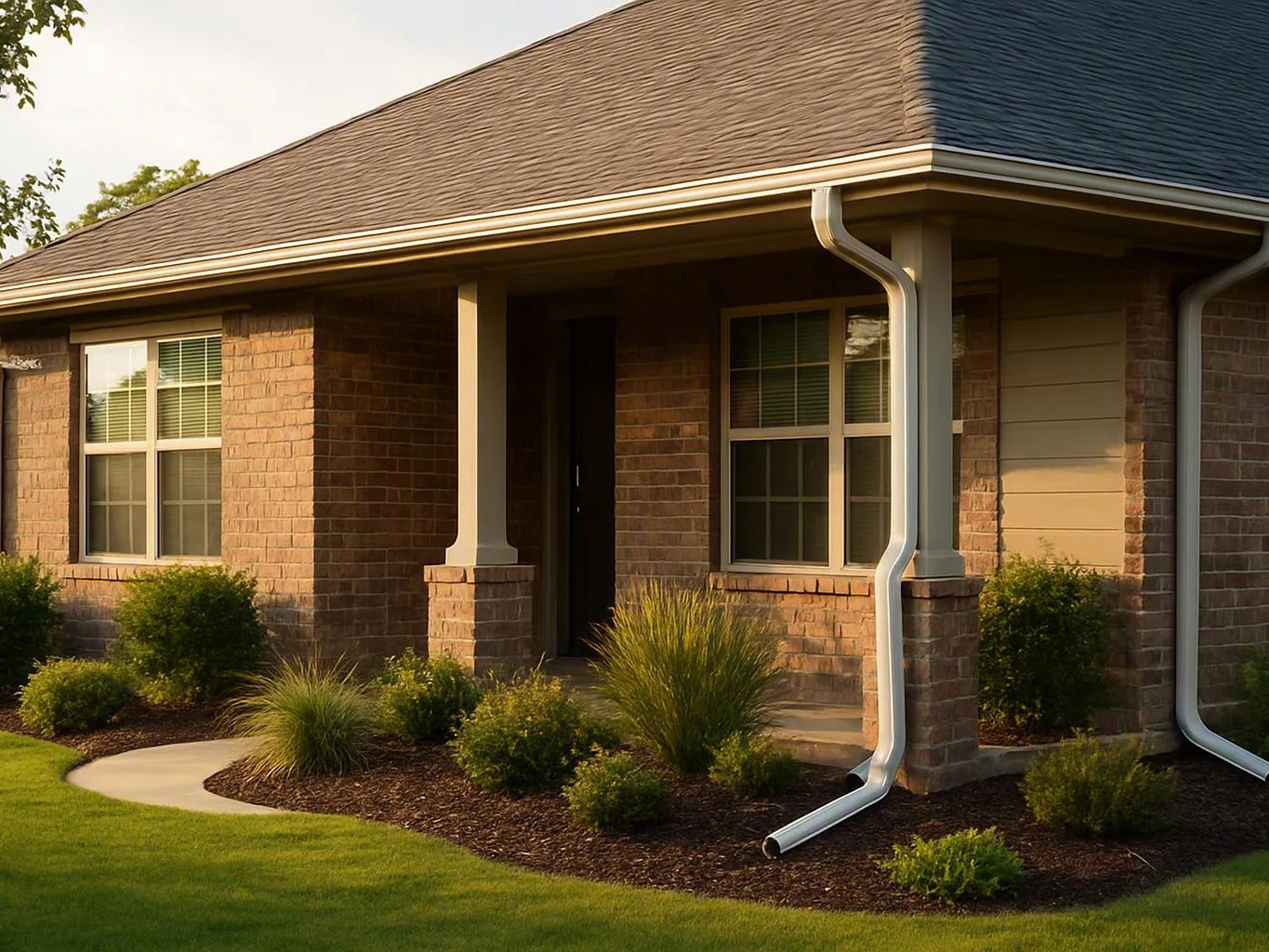
Another important regulation is the positioning of drain pipes. Downspouts must be placed to direct water away from the foundation wall of the home, typically at least 5 feet from the bottom. This helps prevent water from seeping into the lower level or causing soil loss around the foundation. In areas like Little Rock, where heavy rainfall is common, ideal downspout location is important for protecting the home from moisture damage.
Arkansas also has distinct requirements for the components used in gutter installation. While there is no universal standard, many local areas require materials that are durable and immune to degradation. This is especially important in regions with moist air, such as Fayetteville, where oxidation and decay can be a problem. Residential owners should choose materials that satisfy these requirements and are appropriate for the local climate.
Additionally, some towns in Arkansas may have additional regulations or requirements for gutter installation. For example, in Springfield, where the topography can influence drainage, there may be specific rules for the placement and design of gutters. Homeowners should seek local construction regulators or a qualified builder to ensure that their gutter system satisfies all applicable codes and guidelines.
By following these building codes and standards, property owners in Arkansas can ensure that their gutter systems are mounted properly and function efficiently. This also protects the home from water-related issues but also supports keep the structural integrity of the home.
Signs Your Gutters require Fixing in Arkansas
Property owners in Arkansas should be aware of the signs that indicate their gutters may need repair. Early identification of issues can avoid expensive damage and ensure that the gutter system keeps to work successfully. Regular inspections and care are essential for noticing and dealing issues before they worsen.
An example of most common symptoms that gutters require fixing is water pooling around the foundation of the home. This can suggest that the gutters are not correctly channeling moisture away from the house, leading to possible concerns such as basement flooding or soil loss. In towns like Fayetteville, where the landscape can impact drainage, this is a especially crucial symptom to monitor.
Another symptom of gutter degradation is bending or pulling away from the house. This can occur due to the mass of trash or the usual deterioration of the installation over period. If the gutters are not adequately fixed, they may not work as intended, leading to moisture issues and drips. In regions like Little Rock, where heavy rainfall is common, bending gutters can be a significant issue.
Overflowing or overflowing gutters are too symptoms that fixes may be required. This can happen if the gutters are clogged with debris, blocking moisture from traveling correctly. In urban areas like Fort Smith, where thunderstorms are frequent, obstructed gutters can lead to significant water-related issues if not handled quickly. Property owners should inspect their gutters regularly and clean them as required to prevent those issues.
Gaps or cracks in the gutters can also show the necessity for repairs. These can be resulting from severe weather circumstances, such as strong thunderstorms or strong winds. In regions with excessive moisture, such as Fayetteville, rust can too result in damage over time. Homeowners should inspect their gutters for any signs of deterioration and address problems as promptly they are recognized.
By recognizing these signals and making quick steps, homeowners in Arkansas can make sure that their gutter systems remain in good state. This additionally safeguards the home from water damage but also extends the duration of the gutter system, cutting the need for regular maintenance or replacements.
FAQ
What are the most common types of gutters used in Arkansas?
The most typical types of gutters employed in Arkansas consist of aluminium, plastic, and metal. Aluminum gutters are well-liked for their lightweight and anti-corrosive features. Plastic gutters are affordable and simple to care for, while metal gutters supply sturdiness and resilience. All type has its individual merits, and the selection depends on the specific needs of the residence and the regional climate.
How do climate conditions in Arkansas affect gutter installation?
Arkansas faces a moist tropical climate with substantial rainfall mainly during the spring and second part of the year times. This implies that gutter systems should be developed to handle big quantities of moisture. The climate additionally demands substances that are resistant to corrosion and oxidation, making aluminum and vinyl well-liked choices. Correct setup and maintenance are essential for guaranteeing that gutters operate effectively in these circumstances.
What materials are best suited for Arkansas weather?
Materials that are best fit for Arkansas conditions comprise aluminium and polyvinyl, which are immune to corrosion and can survive the region's moist circumstances. These components are small in weight, straightforward to set up, and require little maintenance. In areas with often storms, such as Fort Smith, strong and enduring substances are especially important for making sure the duration of the gutter system.
What is the typical cost of gutter installation in Arkansas?
The typical expense of gutter installation in Arkansas spans from 2 to 10 per direct foot, relative to the substances applied and the complication of the placement. Aluminium and plastic gutters are generally inexpensive, while iron and brass gutters are more expensive. Property owners need to also evaluate further costs for features like gutter guards or rainwater additions, which can add to the total cost.
How often should gutters be cleaned in Arkansas?
Homeowners in Arkansas should clean their gutters at least twice a year, typically in the first season and fall. This helps remove debris that can cause obstructions and prevent water from flowing properly. In areas with heavy rainfall or frequent storms, such as Little Rock and Fort Smith, additional maintenance may be necessary to ensure that the system remains effective and prevents moisture issues.